

The Cultural Ecosystem Benchmark
Orchestrating Worldbuilding in Consumer Goods


The traditional marketing paradigm for Fast-Moving Consumer Goods has long been defined by mass reach, functional superiority, and repetitive campaigning. Despite what we are told on mental and physical availability, the power of brands is alive, to the extent that the locus of value has shifted toward the construction of Cultural Ecosystems.
The power of this transformation is clearer through the lens of luxury brands. For this strategic consideration I was inspired by Marcel Melzig's observations on the Pharrell Effect at Louis Vuitton. Melzig argues that the real contribution of Pharrell Williams is not merely a product line but the deliberate creation of a universe where people want to belong. While this worldbuilding strategy is more traditional in the high-luxury sector, it is also present in the high-velocity consumer goods landscape.
The Pharrell Effect represents a fundamental reconfiguration of brand strategy, moving away from being a mere manufacturer to becoming an orchestrator of cultural environments. Within this framework, the brand does not exist to solve a utility problem; it exists to provide meaning and identity.
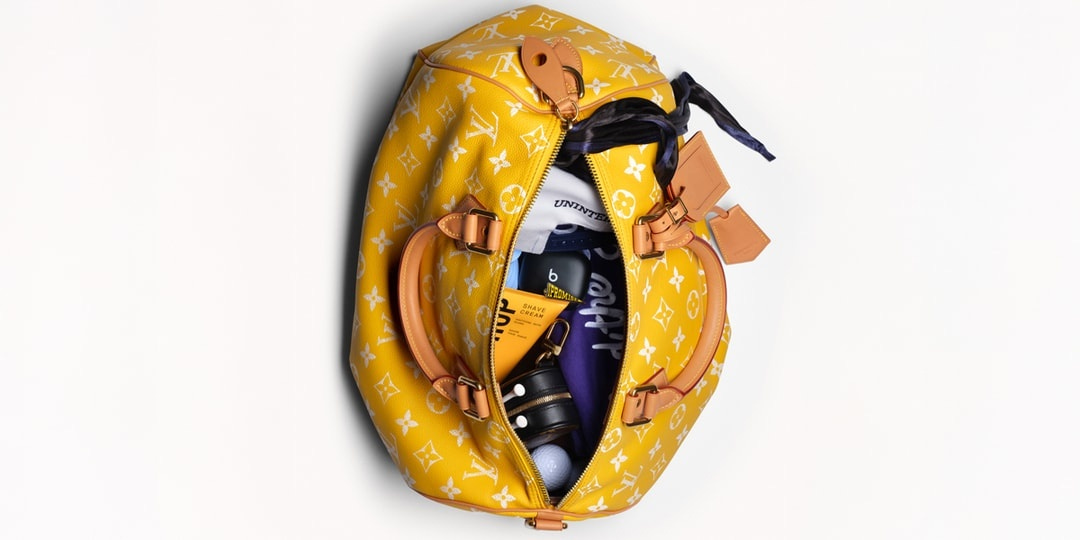
For the modern consumer, the physical product is a secondary consideration. It is the passport into a broader, immersive experience. This approach moves beyond the omnichannel strategies of the previous decade toward an age of omnitainment, where every touchpoint is designed to generate cultural capital rather than immediate transactional volume. The Cultural Worldbuilding happens through four interconnected dimensions: the Ambassador Ecosystem, Cultural Adjacency, the Opened Bag Insight, and Product as a Passport.
The Ambassador Ecosystem
In the legacy model, ambassadors are utilised as isolated celebrities used to borrow credibility or reach, the literal faces of the brand. In the worldbuilding model, the ambassador is redefined as a complementor within a larger network. These actors do not merely endorse the product; they interact with one another as a cohesive unit, cross-pollinating across music, sports, and fashion. This creates a system in which the brand serves as the platform on which these creators build their own narratives.
Melzig highlights this at Louis Vuitton, noting how Pharrell built a universe across music, sport, and culture, with figures like LeBron James, Jude Bellingham, and Victor Wembanyama forming a single ecosystem. This shift from product to worldbuilding is now visible in the FMCG supplement space. Athletic Greens (AG1) leverages this marker by engaging doctors like Andrew Huberman and investors like Tim Ferriss as more than just faces. They serve as medical and strategic advisors, offering authentic, peer-level recommendations in long-form media that give the brand immense depth and credibility. The brand ensures endorsements feel credible by requiring partners to actually use the product before formalising any relationship. This creates an atmosphere of mastery and leadership that sparks pride in the consumer for choosing a brand endorsed by the elite.
Cultural Adjacency and Liquid Consumption
The concept of liquid consumption describes a shift from solid, ownership-based loyalty to fluid, experience-based engagement. Success in this environment requires brands to earn attention by being present in the background of a lifestyle. Instead of interrupting media consumption with a 30-second spot, the worldbuilder becomes a participant in scenes the consumer already values, such as specific music subcultures or niche aesthetic movements. This presence is often high-velocity and ephemeral, satisfying the consumer’s need for constant novelty and staying ahead of the curve.
Melzig observes that a brand earns attention not by being centred, but by being culturally adjacent. We see this physical manifestation in brands that move away from loud, synthetic profiles toward authenticity.
The Opened Bag Insight and Signal Decoding
A critical component of worldbuilding is the use of built-in curiosity through signals. These signals allow consumers to decode the brand’s personality. Such details are not intended for the mass market; they are designed to be discovered by the core community, rewarding their attention and fostering a sense of exclusive belonging. Melzig identifies the “what’s in my bag” format as the perfect expression of this, where people do not just want to see a product; they want to decode the person through carefully chosen signals like a specific newspaper or a tennis racquet.
Product as a Passport
The final marker of a cultural ecosystem is the redefinition of the product’s role. It is no longer the end goal; it is the utility that powers the consumer’s participation in the world. Consumption becomes an act of identity signalling. Whether it is a green powder signalling a high-performer lifestyle or spicy ramen signalling endurance, the physical item is the mechanism through which the consumer enters the brand’s broader community empire.
This aligns with Marcel Melzig’s point that the product becomes an entry point, not the centre.
The FMCG Examples
The Brand as a Media: Red Bull
Red Bull represents the most successful global transition from a beverage manufacturer to a media powerhouse. The brand holds a dominant 43% share of the global energy drink market, yet its messaging is entirely focused on human potential and the spectacle of performance. Dietrich Mateschitz’s vision was to create a story that radiated from the inside out, ensuring every consumer felt like a participant in a spirit of adventure.
The Red Bull Media House, launched in 2007, transformed the company into a full-scale content publisher. By reinvesting approximately 25-30% of its annual revenue (roughly €3 billion) into marketing, Red Bull avoids renting the spotlight and instead owns it. This content-first mindset ensures their videos are the feed people seek out, rather than the ads that interrupt it. Their ecosystem of over 750 athletes operates as a collaborative content system where athletes are characters in a broader narrative. This creates a participation loop in which fans share and emulate athletes' lifestyles, effectively building the world alongside the brand. This strategy builds urgency by constantly showcasing the next feat of human excellence, making the consumer feel that stopping is to miss out on the peak of human achievement.
The Category Innovators: Liquid Death
Liquid Death has disrupted the $350 billion bottled water market by treating a basic commodity as a cultural product. With a $1.4 billion valuation, it has replaced traditional wellness tropes with a punk-rock aesthetic and a rebellious tone. Its narrative architecture operates on identity, community, and action, transforming customers into movement participants who reject the bland branding of the water category.
Founder Mike Cessario’s philosophy involves pursuing unconventional ideas, those that traditional marketers would find too risky. This has led to initiatives like the Greatest Hates albums, which turned negative internet comments into death metal tracks. These initiatives force critics to become involuntary collaborators in the brand’s narrative. By 2025, their media presence included a Super Bowl spot that satirised beer commercials, further cementing their role as a cultural provocateur. Their Country Club model, with over 225,000 members, is an owned community designed to stabilise the experience and protect trust beyond the point of purchase. This is the “opened bag” insight in full effect; every can is a signal of belonging to a tribe that values irony and raw energy over corporate polish.
The Performance Nutrition: AG1
Athletic Greens has built its billion-dollar valuation through depth rather than volume. AG1 is positioned as a comprehensive solution for nutritional gaps, but its real value lies in signalling a curated, high-performance lifestyle. The brand allocates roughly $2.2 million per month to podcast sponsorships, ensuring a consistent presence in the background of its audience’s intellectual life.
By making the $99 green powder a staple of morning routines, AG1 has made the product a passport into a community of high performers who take charge of their health and finances. Content is dominated by routines and expert discussions, with the product mentioned only in passing. This depth of influence allows them to charge a significant premium (approximately $99 for a subscription compared to $15-$30 for generic multi-vitamins) because they provide cultural capital alongside nutrition. It invites consumers to lead change in their own lives, painting a vision of success that starts with a single daily habit.
The Mechanics of Participation Loops
The transition from customer to member requires implementing participation loops. These are structural mechanisms that encourage consumers to contribute to the brand’s cultural capital. For Red Bull, this is the athlete-created content; for Liquid Death, it is the fan-recorded unboxing videos and the “sell your soul” membership contract. These loops ensure the brand ecosystem is self-sustaining and constantly evolving without requiring massive infusions of traditional ad spend.
These loops also serve a critical function in signal decoding. When a consumer sees another person with an Owala bottle or an AG1 shaker, they are not seeing a product; they are seeing a fellow member of a decoded world. This lateral connection between consumers is far more powerful than the vertical connection between a brand and a customer. It creates a sense of shared mastery and collective pride that is almost impossible for competitors to break.
Conclusion
The Cultural Ecosystem is a structural innovation that substitutes traditional advertising with owned media, community governance, and cultural capital. Evidence suggests that worldbuilding is an effective mechanism for achieving a luxury-lite premium in commodity categories. By transforming a product into a cultural ecosystem, brands can decouple pricing from production costs and align it with the identity projects of their consumers.
The Pharrell Effect, as described by Marcel Melzig, shows that even the most basic commodity can command luxury-level margins when the universe surrounding it is rich in insight and authentically aligned with its cultural context. Those who fail to build these worlds will find themselves trapped in a race to the bottom, competing on price in a world that increasingly only cares about meaning.
Thanks for the shout, Filiberto.
Love how you took the worldbuilding lens and applied it to consumer goods. The Red Bull and Liquid Death examples prove the pattern works far beyond luxury.