The Art and the Risk of Brewing Less
Heineken: making a bold strategic move, or overreaching in a market that is moving on?
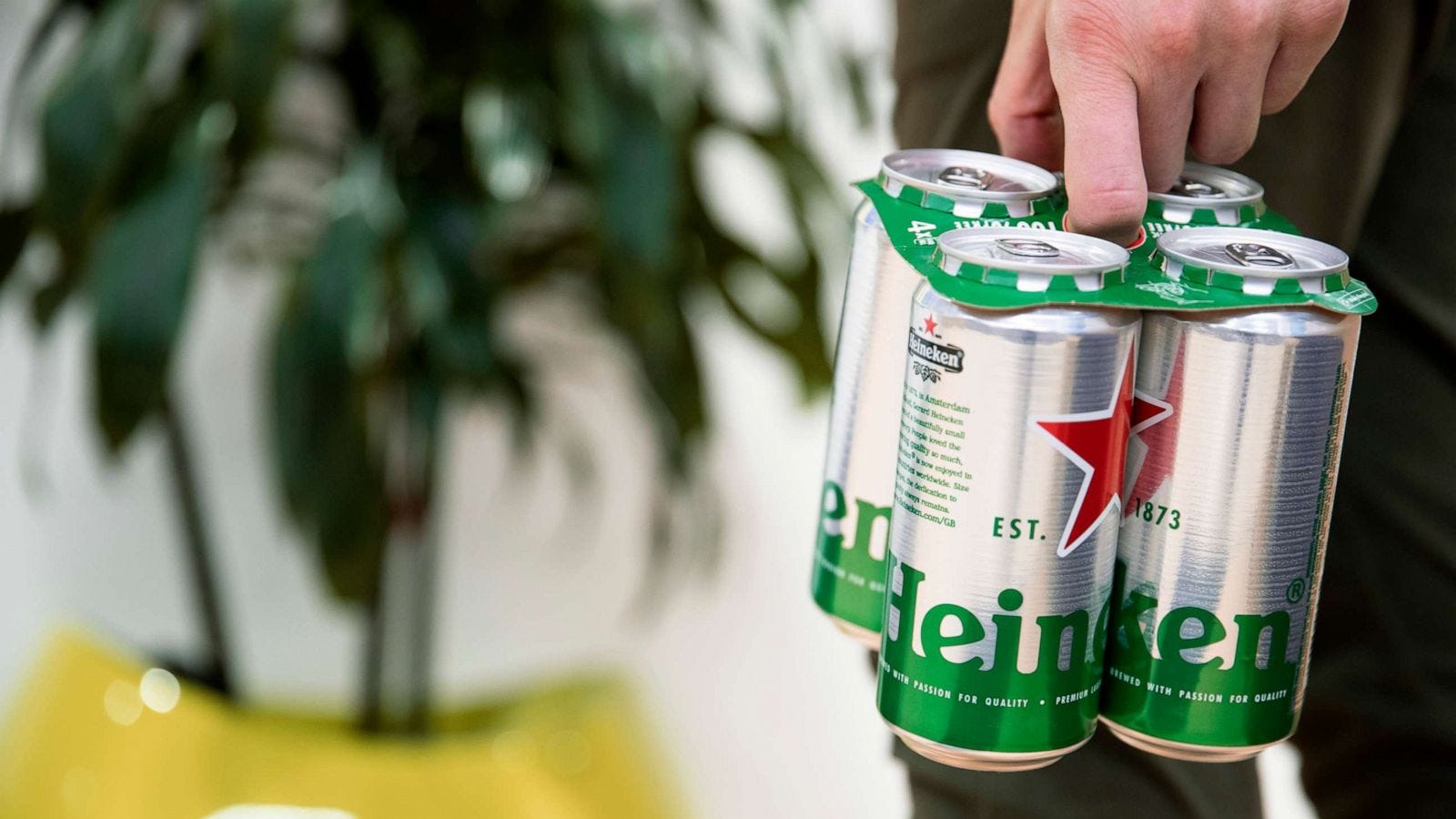
Heineken, Europe’s second-largest brewer, is facing growing pressure as traditional lager sales continue to decline across key markets, particularly in the United Kingdom. The company’s recent leadership change, ongoing cost-cutting measures, and pivot towards weaker or non-alcoholic products reflect the structural challenges confronting large-scale brewers amid changing consumer habits and fiscal pressures.
Dolf van den Brink, who had served as CEO since 2020, recently announced his departure following disappointing financial performance and a significant profit warning that shocked investors. His tenure, once defined by a bold push into non-alcoholic products like Heineken 0.0 Ultra, ultimately did not meet expectations. He had championed this zero-alcohol, zero-calorie, and zero-sugar product as a gateway to a younger generation of drinkers, especially those in Generation Z who are consuming less alcohol. However, this strategy failed to offset the broader downturn in lager consumption and the brand’s underperformance against newer rivals like Lucky Saint.
Heineken currently accounts for roughly 30 per cent of all lager pints sold in UK pubs and owns a broad portfolio including Fosters, Amstel, Birra Moretti, John Smith’s, and Sagres. Yet despite brand recognition, it is struggling to maintain volume. British drinkers are visiting pubs less frequently and drinking in smaller quantities when they do. At the same time, preferences have shifted towards premium beers, craft options, and alcohol-free alternatives.
In response, Heineken has implemented a series of price increases over the past three years. Another 2.7 per cent price hike is scheduled for next month. These rises are being justified by inflation in raw material costs, brewing inputs, and hospitality overheads, including escalating alcohol duty. However, critics argue that price increases are not matched by product quality, especially as alcohol by volume levels are quietly being lowered.
Several of Heineken’s major UK products have seen reductions in ABV. Fosters, previously at 4 per cent ABV, was reduced to 3.7 per cent in 2023 and is set to drop further to 3.4 per cent. John Smith’s Extra Smooth has been similarly reduced. These changes allow the brewer to benefit from reduced alcohol duty rates, introduced under the UK government’s reformed tax system in August 2023. Products under 3.5 per cent ABV qualify for lower duty, creating financial incentives to reduce alcohol strength, particularly at large scale, where even a saving of 8 to 12 pence per pint can significantly improve margins.
This strategy, while financially sound from a cost-management perspective, has drawn criticism from industry observers and organisations such as the Campaign for Real Ale (aka CAMRA). Critics argue that larger brewers are exploiting tax thresholds without passing on the savings to consumers, and that reductions in ABV compromise product quality and taste. Independent brewers, by contrast, are seen as less able or willing to follow suit, due to concerns about brand integrity.
Consumer acceptance of lower-strength beers remains mixed. Analysts note that while minor reductions in ABV often go unnoticed by drinkers, crossing below 3 per cent risks losing consumer confidence in the product’s value as an alcoholic beverage. Some settings, such as sports events, may tolerate weaker beers due to higher consumption volumes and less scrutiny of ABV levels. However, this is unlikely to translate into long-term loyalty.
There is also a broader behavioural shift underway. Average alcohol consumption in the UK has declined over the past two decades, with the typical adult now drinking ten units per week, down from fourteen in 2003. This moderation trend is most pronounced in younger consumers, who are increasingly choosing drinks based on taste, lifestyle fit, and health considerations, rather than alcohol strength.
Brewers are also contending with the decline of mid-market standard lagers, which have lost ground to both premium brands such as Peroni and Camden Hells and to the growing craft beer segment. The appeal of traditional lagers is waning, and attempts to pivot by launching non-alcoholic options have seen mixed results.
In this context, Heineken’s attempt to lead in the non-alcoholic beer market has not yielded a clear competitive advantage. While the company has positioned itself as a pioneer, rivals have moved more quickly to deliver products that better align with consumer expectations for taste and brand perception.
The combination of weakened consumer demand, higher operating costs, shifting preferences, and fiscal policy constraints paints a complex picture for large brewers. With Van den Brink’s departure, Heineken will need to reconsider its strategy not only for product development but also for how it engages a market that is no longer structured around mass beer consumption. The lager segment, once the core of its commercial strength, is now under sustained and possibly irreversible pressure.
A useful parallel can be drawn from the cigarette industry, which has similarly responded to regulatory and behavioural shifts by gradually reducing what consumers receive, while maintaining or increasing prices.
Over several decades, tobacco companies have progressively reduced the number of cigarettes per packet across markets. What was once a standard 25-pack shifted to 20, and in some cases even fewer, particularly under regulations aimed at curbing smoking. This change allowed producers to navigate increasing excise duties and public health pressures, while avoiding direct price shocks that might deter loyal consumers. For many smokers, the reduction in quantity was subtle enough to go unnoticed at first, primarily as price rises were often attributed to tax changes rather than corporate strategy.
However, this move had a dual effect. On the one hand, it supported public health goals by reducing consumption per purchase. On the other hand, it preserved margins for tobacco firms in a declining category. As with beer, consumers accepted the changes up to a point, but there is a threshold. Eventually, some smokers began to perceive the product as poor value, prompting shifts to alternative nicotine products, illicit markets, or cessation altogether.
Like brewers lowering ABV to save on duty, cigarette companies adjusted product quantity rather than quality to manage margins in a shrinking, regulated market. Both strategies reflect how legacy industries under pressure seek marginal gains through quiet but cumulative changes that may not immediately trigger consumer pushback, yet reveal the deeper challenges of long-term category decline.
Source: Tom Haynes, “Europe’s beer giant in trouble as thirst for lager fades” on The Telegraph.


Sharp analsyis of Heineken's margin preservation tactics through ABV reduction. The cigarette industry paralel is spot-on, both show how legacy brands manage decline by slowly eroding product value while maintaining pricing power. I worked with a regional brewery once and they refused to go below 4.2% even under tax pressure, believing brand integrity mattered more long term. Heineken's betting consumers won't notice or care, but at 3.4% Fosters becomes indistinguishable from near-beer territory.