

Portfolio Rationalisation: More is not Better
Shrinking to Grow: How refocusing brands and business-units can drive margin growth and strategic clarity


The Case for Portfolio Pruning
For more than a few decades, most large consumer companies have expanded through breadth rather than focus. New categories, bolt-on acquisitions and local sub-brands created apparent scale, but also structural complexity. In an era of steady global growth and low capital costs, this expansion looked rational. Today, it is becoming a drag.
Portfolio rationalisation has returned to the boardroom. It is no longer limited to SKU culling or minor efficiency drives; it now involves major strategic decisions about which brands, business units and categories deserve capital and leadership attention. The question has shifted from “What can we add?” to “What do we no longer need?”
Gruppo Campari CEO, just recently, mentioned to the editor of Italian business journal Il Sole 24 Ore that they are reviewing their brand portfolio and are ready to divest up to 30 brands.
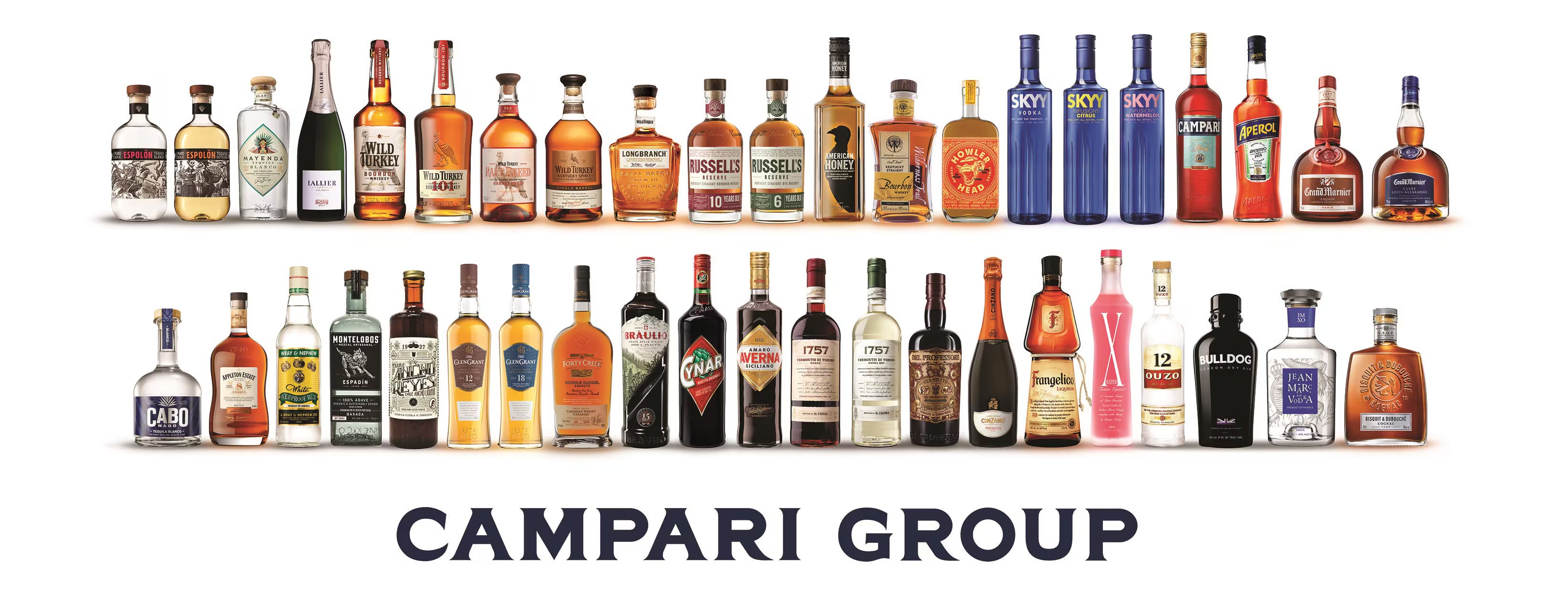
This is in addition to the Cinzano and Frattina sale to Gruppo Caffo of 2025.
Shrinking a portfolio is not about retreat. It is about choosing where a company can truly win. The recent wave of divestments across the FMCG and consumer goods landscape illustrates this clearly: Unilever spinning off its ice-cream arm into The Magnum Ice Cream Company; Nestlé carving out its Waters division; Reckitt exiting Home Essentials; Henkel selling private-label operations in the United States; Carrefour selling its Italian business.
Behind each move lies the same logic: simplify operations, raise margins, and free up management bandwidth. The strategic objective is not volume, but focus-driven resilience. In a low-growth world, doing fewer things better has become the most reliable route to sustained value creation.
