

Fever-Tree's Transformation is working
Although investors want more

The fiscal year ending 31 December 2025 represented a definitive era of structural evolution for Fever-Tree Drinks PLC. Management characterised this period as a pivotal year marked by strategic transformation and geographic diversification. While the headline financial metrics indicate a period of margin compression and profitability headwinds, the underlying narrative is one of a company successfully navigating a complex transition from a UK-centric brand to a global beverage platform. Total adjusted revenue for the period reached £375.3 million, a 3 per cent increase on a constant currency basis, though this figure masks a more significant 4 per cent growth in core Fever-Tree brand revenue. A notable feature of the year was the improvement in momentum in the second half, when brand revenue growth reached 5 per cent, reflecting better dynamics across almost all major international markets.
The fundamental challenge to the 2025 income statement was the interplay between international expansion and regulatory cost pressures in the domestic market. Adjusted EBITDA fell by 16 per cent to £42.4 million, resulting in an EBITDA margin of 11.3 per cent, a 240 basis point reduction from the previous year. This contraction was primarily driven by two distinct factors: the initial cost inefficiencies of transitioning to a national distribution partnership with Molson Coors in the United States and a £2.8 million provision related to the United Kingdom government’s Extended Producer Responsibility (EPR) levy. Excluding the EPR related provision, the adjusted EBITDA would have been £45.2 million, which aligns with previous guidance and suggests that the core operational health of the business remains robust despite external shocks.
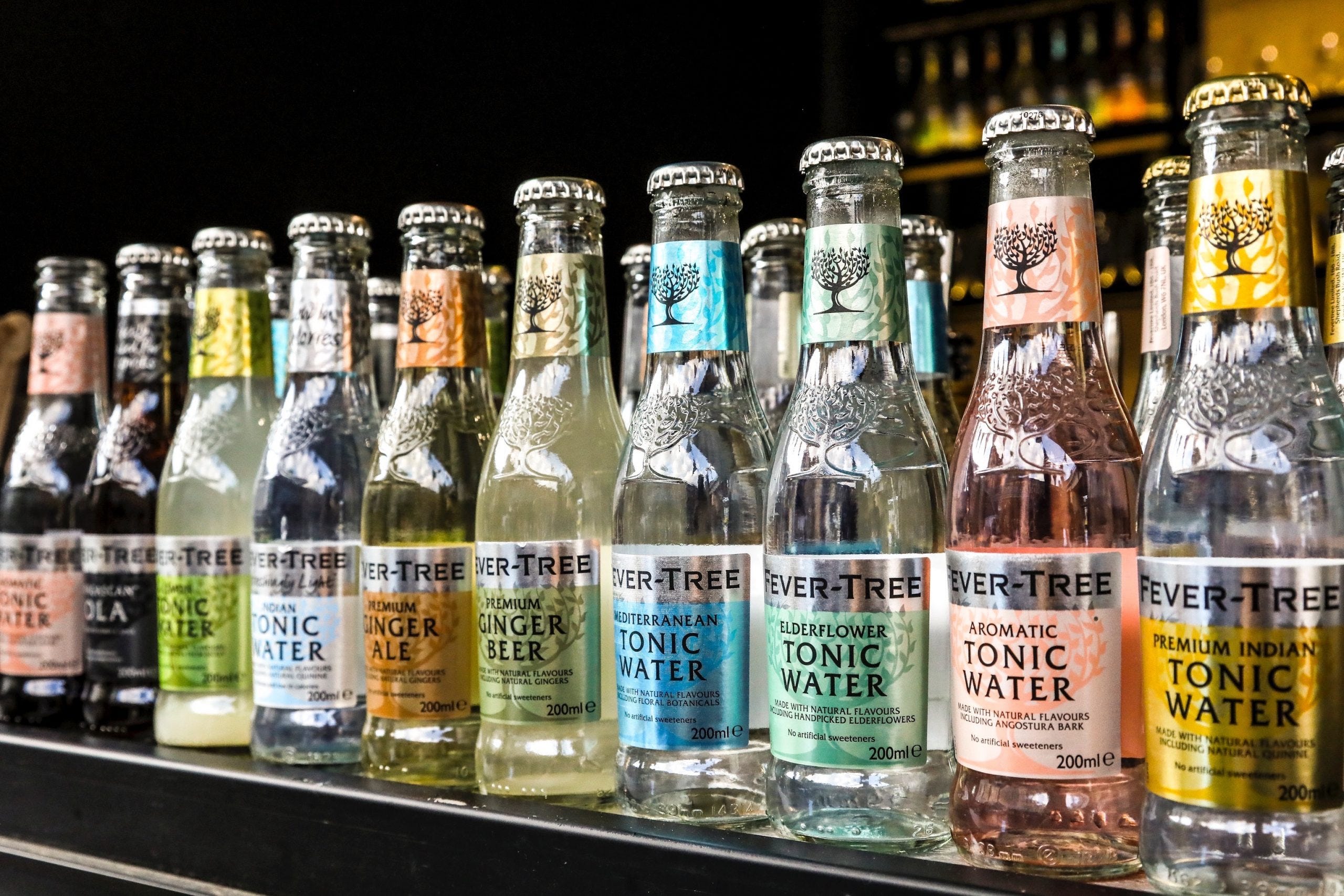
A critical indicator of the brand’s long-term resilience is the success of its diversification strategy, as products beyond the heritage tonic range now account for 45 per cent of global group revenue. This shift is essential given the structural decline in the gin category within mature markets such as the United Kingdom. By positioning itself as a leader in ginger beer, premium sodas, and non-alcoholic ready-to-drink (RTD) formats, Fever-Tree is successfully mitigating the impact of changing spirit consumption patterns while tapping into broader trends of moderation and premiumisation.
