

A Reorganised Global Beauty Vertical?
Esteé Lauder + Puig: A new wave of consolidation hits the fragrance shelf.

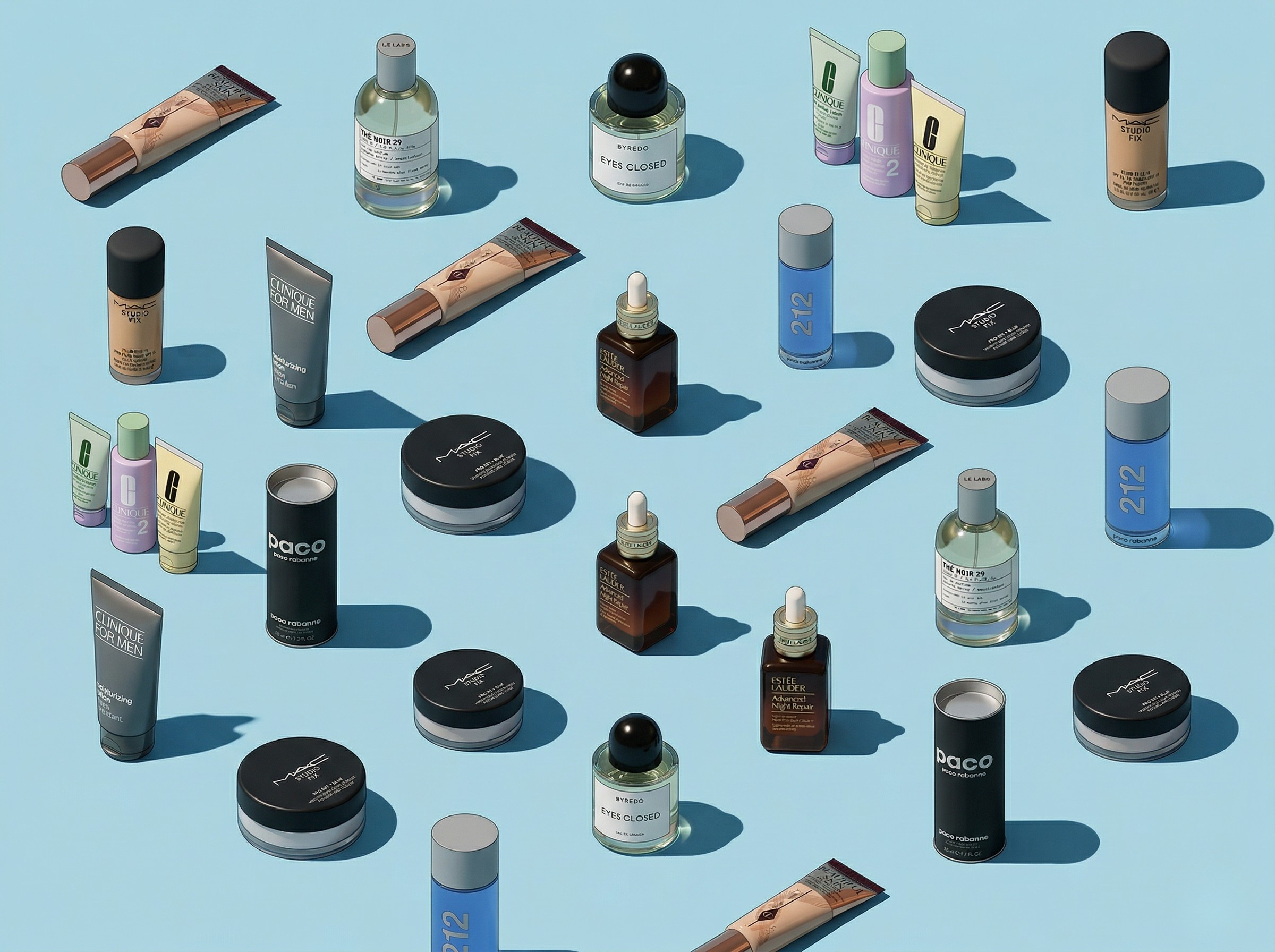
The confirmation on 23 and 24 March 2026 that The Estée Lauder Companies and Puig are in active merger discussions points to a material change in the prestige beauty sector. Analysts have described the potential deal as a defensive combination. The logic is clear enough. Estée Lauder is still working through a multi-year turnaround, while Puig is using the balance sheet strength and public market access gained after its May 2024 listing to expand beyond its fragrance base. A combined group would have a market value of more than $40 billion and annual sales close to $20 billion.
The rationale lies in a period of slower, less predictable growth for beauty groups. Prestige demand remains resilient in parts of the market, but that resilience is uneven by region, channel, and category. Travel retail remains unstable, China remains difficult to read, and consumers are becoming more selective, even within premium segments. Against that backdrop, a combination of Estée Lauder and Puig would bring together different strengths. Estée Lauder contributes scale in skincare, retail relationships, and global infrastructure. Puig brings a strong fragrance platform, faster growth, and a portfolio with momentum across several markets.
The financial paths of the two companies over 2025 and early 2026 have been notably different. Estée Lauder has been dealing with excess inventory, lower travel retail sales, and weaker execution in parts of its portfolio. Puig has reported record sales, stronger operating discipline, and a broader contribution from makeup and skincare than it had a few years ago. The proposed merger should therefore be read not as a simple scale play, but as an attempt to combine recovery with momentum.
